Rust Starting At End Laps
- You See
- Orange staining where two panel runs overlap, worst on the low end of the roof.
- What It Means
- Moisture stays inside the lap longer here. The lap is ground to firm steel, primed, and covered with reinforcing fabric.

Cadiz metal roof coating for boat storage, marine shops, and storefronts near Lake Barkley, where damp air changes how we prepare commercial roofs.
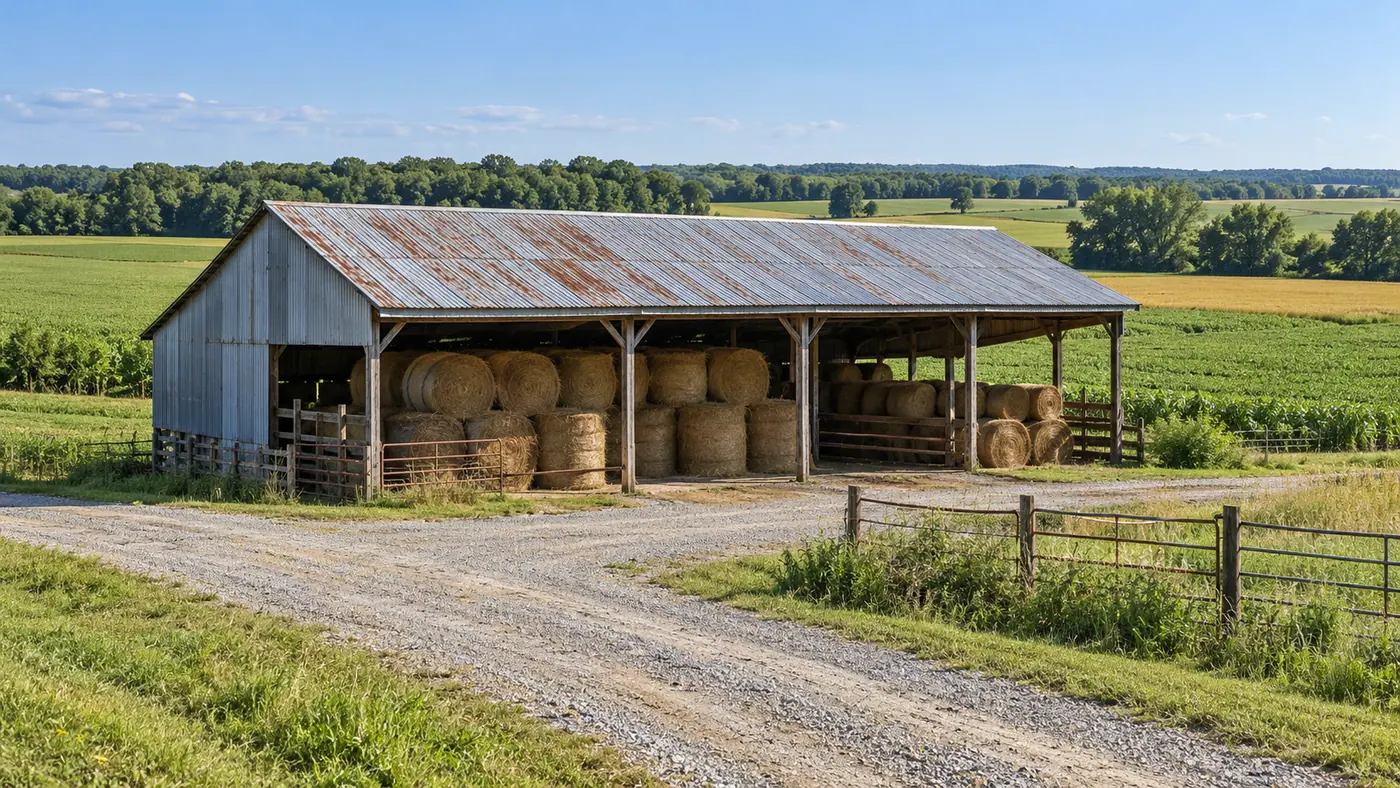
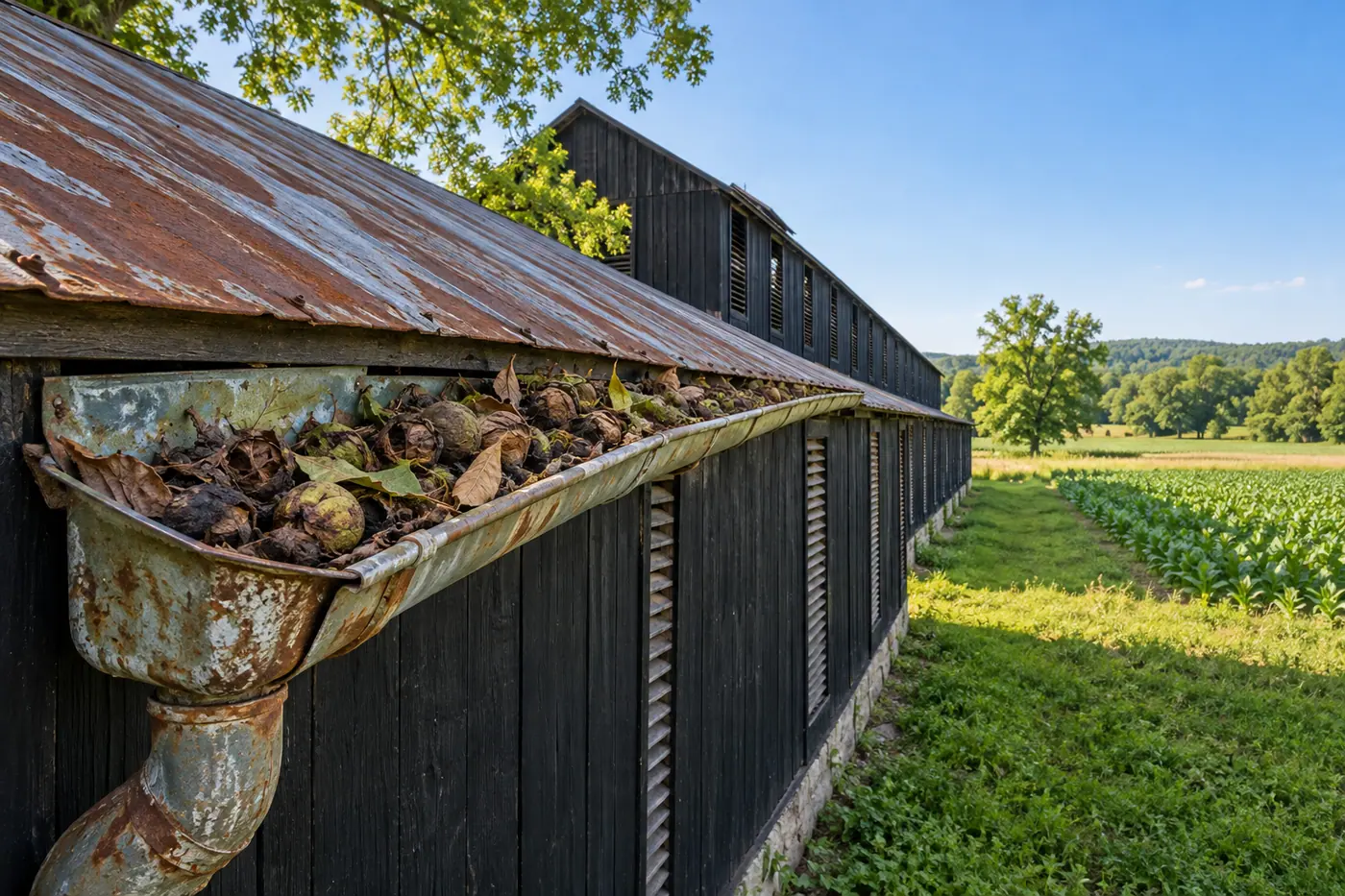
Metal buildings near Lake Barkley see more moisture and condensation than buildings on dry upland ground. Boat storage buildings, shops, and marine service buildings around the lake often rust first at the end laps and along the eave.
That changes the prep. Cleaning adds a mildew wash and a full dry-out before primer, panel undersides at the eave get checked from inside, and coating days are picked for dry weather, because morning dew off the water can push the start back.
Moist air off the water works on Cadiz roofs from both sides of the panel. These are the patterns we look for.
Lakeside buildings around Cadiz gain the most from a coat that keeps water out of the laps.
Reinforced lap details keep rain and dew out of the overlaps where lakeside rust starts, and they flex as panels move between warm days and cool nights.
Primed and coated steel stays out of the morning dew that settles on roofs near the water, so new rust starts more slowly on the panel face.
Coating leaves the panels in place, so stored boats and equipment stay sheltered instead of being moved out for a tear-off.
Once the coat wears, a cleaned surface takes another coat of the same type, which keeps lakeside panels in service without new steel.
These three systems cover most boat storage, marine shop, and storefront roofs in Cadiz and Trigg County.
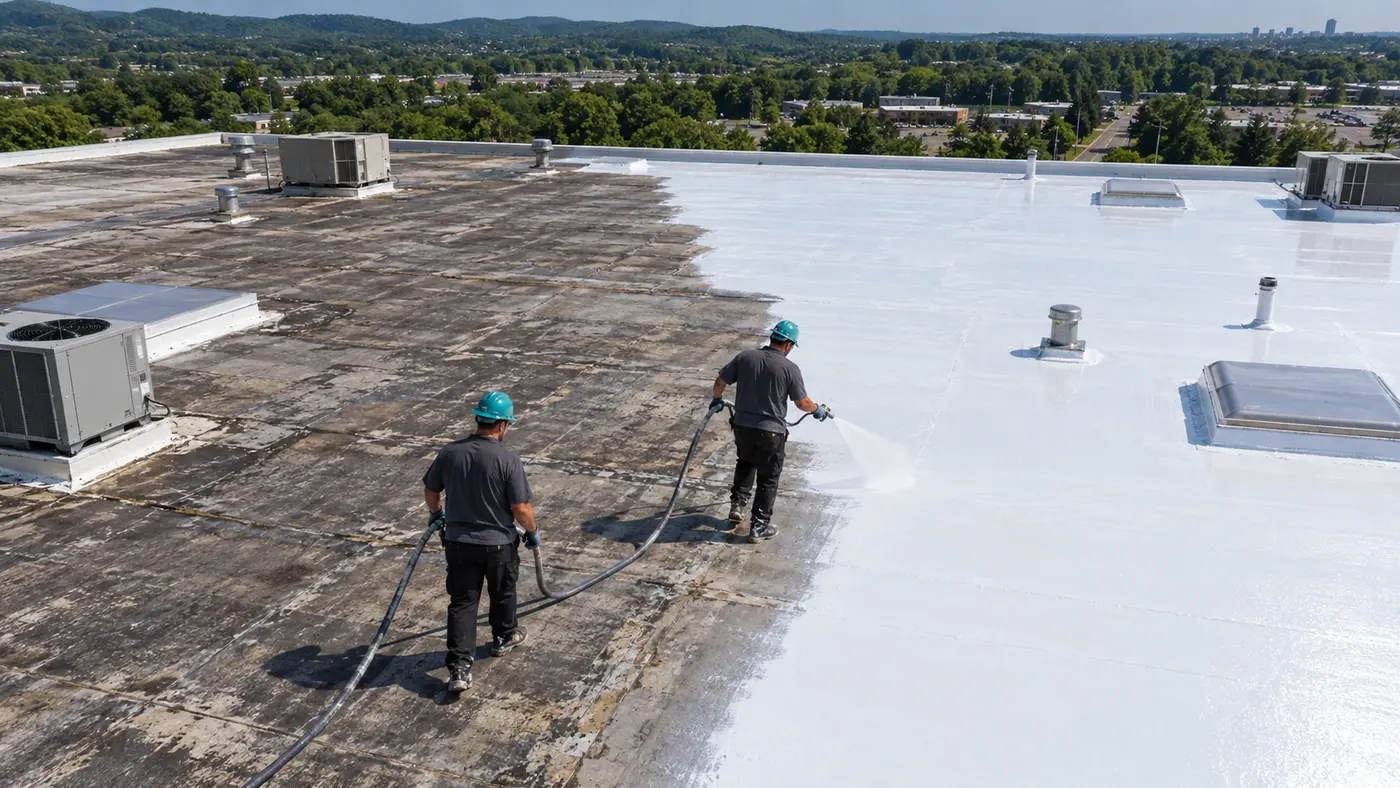
Long, low boat storage roofs hold water behind curbs and in slow gutters. Silicone tolerates that ponding and is recoated with silicone when it wears.
Silicone roof coating for low-slope metal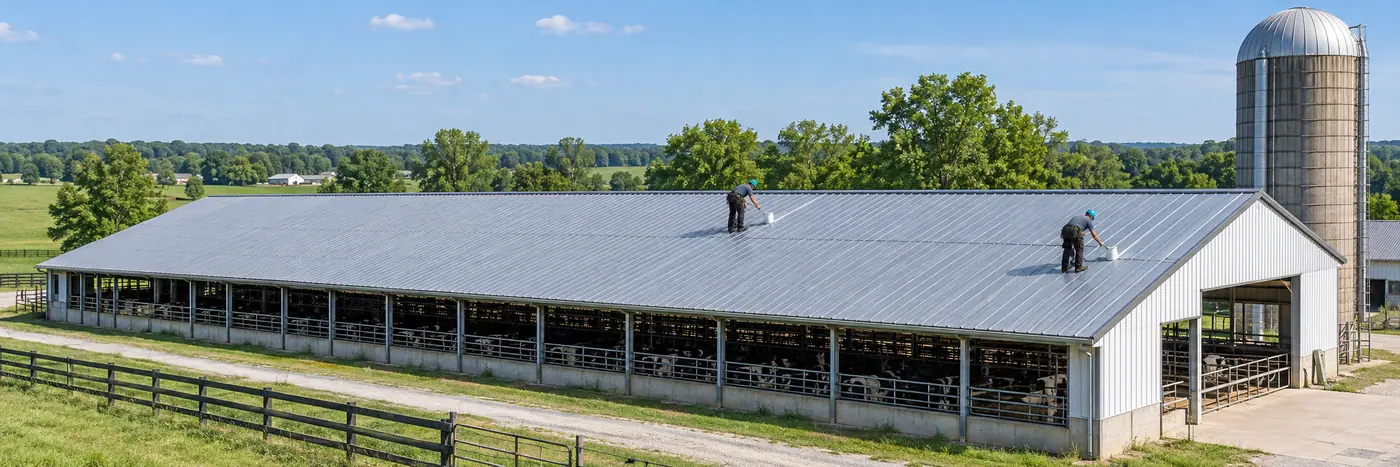
Shop roofs near the water need lap fabric, primer at rusted end laps, and resealed screws before the coat. That work is the core of metal roof coating.
How we coat commercial metal roofs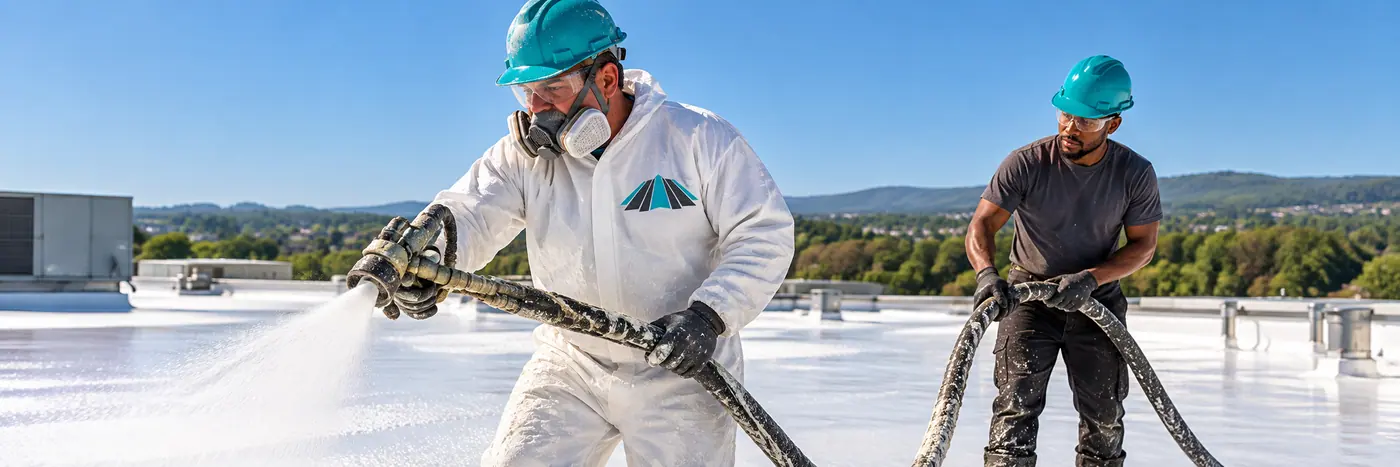
Foam sprayed over the existing panels insulates the roof and covers the cold steel that lake air condenses on. Edges and gutter heights get checked first.
Spray foam roofing over metalCall us if rust is showing at the laps or flakes are dropping inside a boat bay. Tell us which side of the building faces the water.
Call UsFour steps adjusted for damp air and morning dew near Lake Barkley.
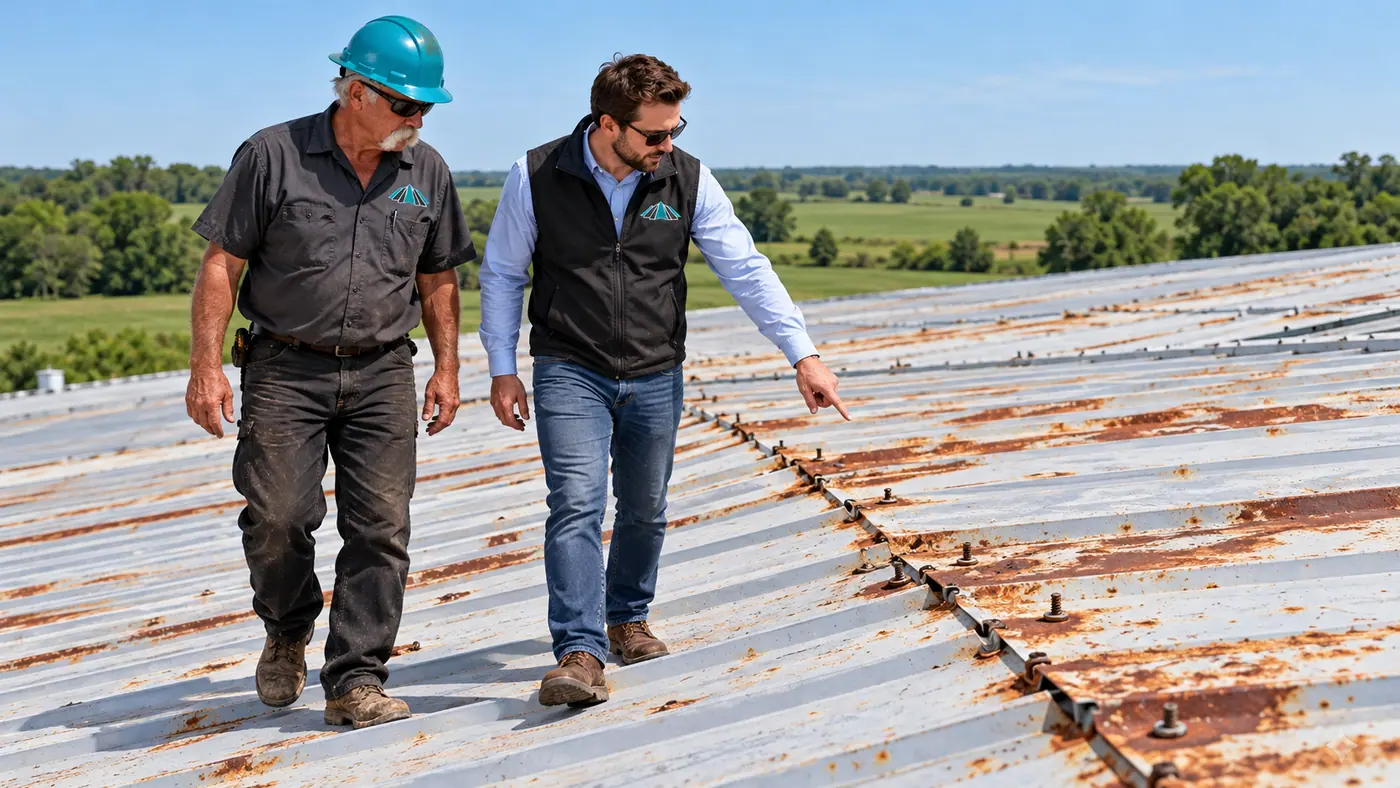
We walk the panels and then go inside to check the undersides at the eave, where condensation rust hides. Vents, closures, and every end lap get marked on the roof plan.
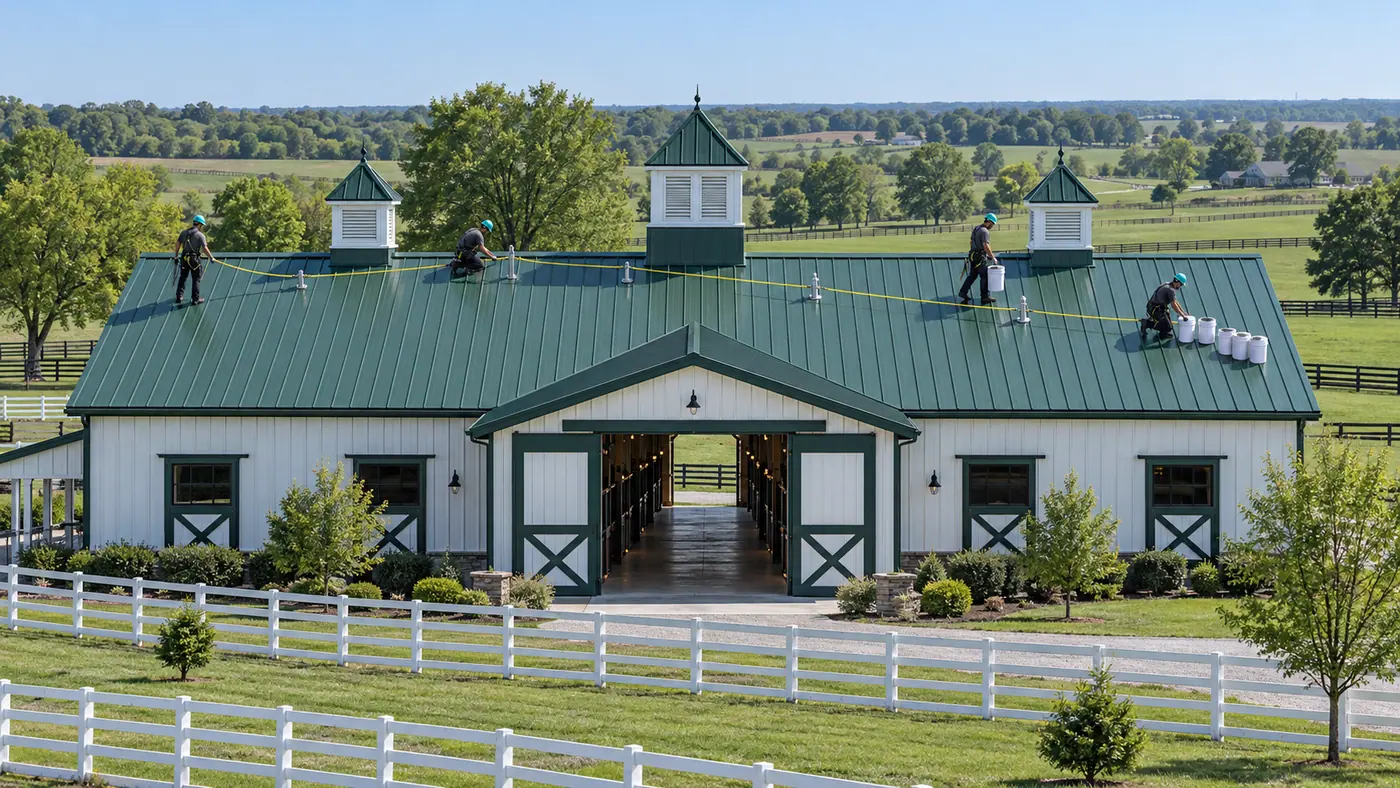
Cleaning adds a mildew wash to the usual pressure wash. The steel then dries completely, because primer laid over damp laps peels later.
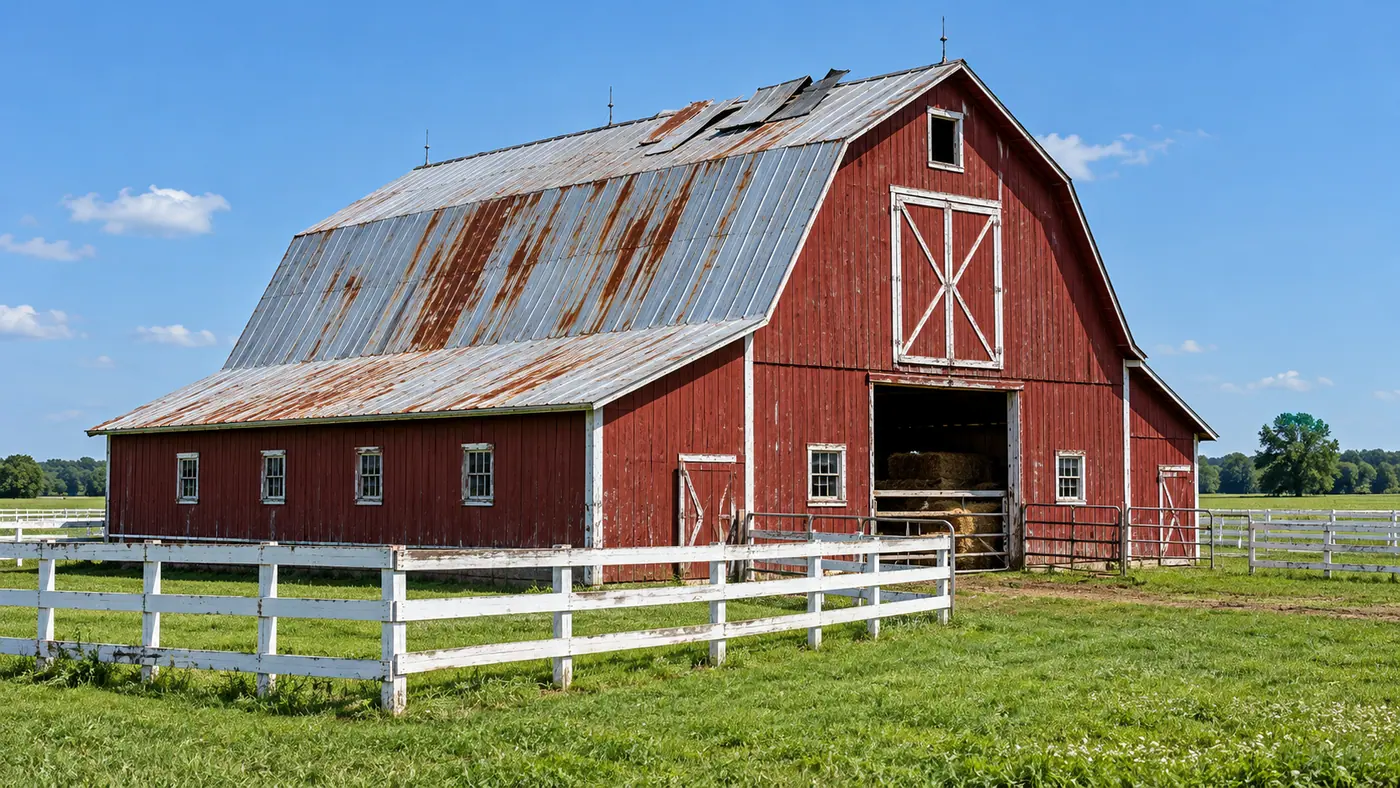
Rusted end laps are ground to firm metal and primed, then bedded with polyester fabric. Ponded spots behind curbs get a cricket or a silicone detail.
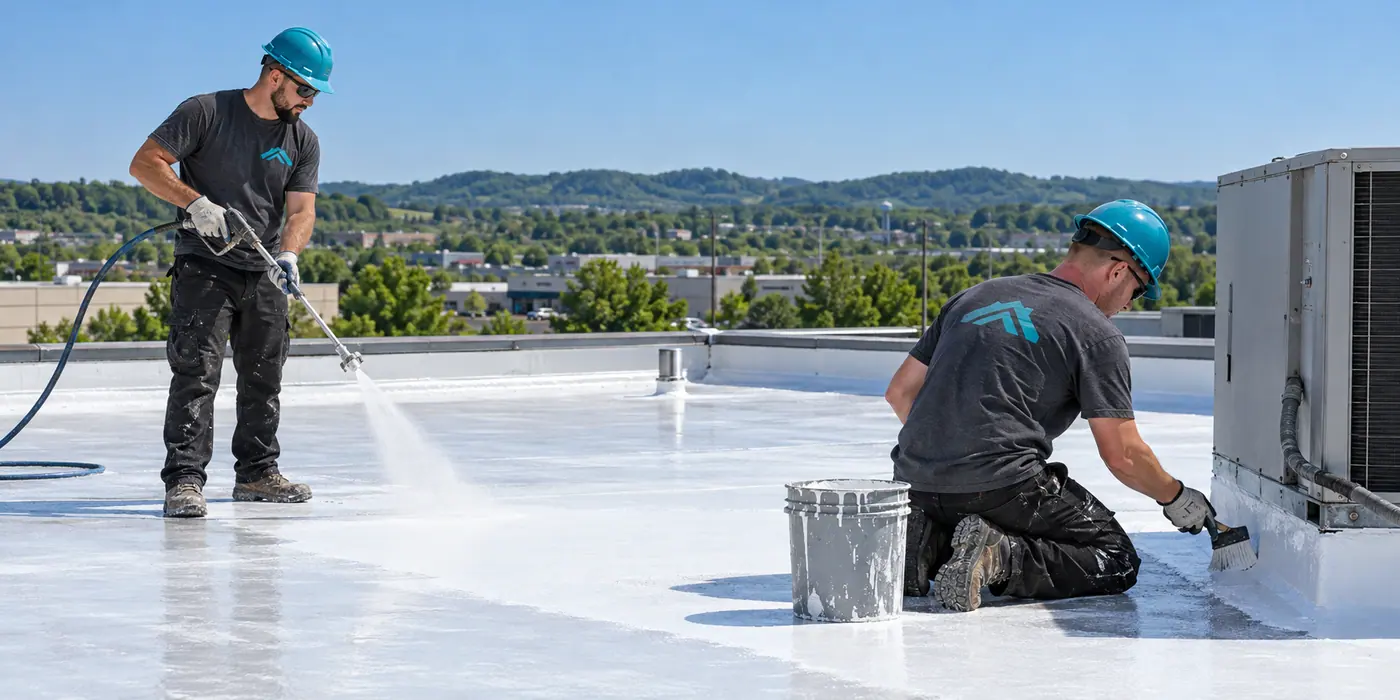
Spraying starts once morning dew off the water has dried from the panels. Thickness is checked across the field and at each lap before the job is closed out.
Building somewhere other than Cadiz? Call us or send us a message. Hopkinsville and five more towns in the Pennyrile are on our list too.
Christian County warehouses whose permits run through the shared city and county inspector.
Busy storefronts where intakes get covered and eave parking is coned off during spraying.
Caldwell County machine sheds where purlin rot at the eave is checked before coating.
Todd County shops where lifts are placed clear of service drops at the roof edge.
Hopkins County roofs rebuilt after the 2021 tornado, with mill oil cleaned off new panels.
Farm-supply roofs with dust collectors whose curbs get sealed before the coat.
What Cadiz and Trigg County owners ask before a lakeside coating job.
Yes, because they stay damper. Prep adds a mildew wash and a full dry-out before primer, a check of panel undersides at the eave from inside, and a look at ridge vents and closures, since trapped humid air speeds rust. Coating days are picked for dry weather, because dew off the water can delay the morning start.
Condensation is the usual cause. Warm, damp air meets cold steel overnight and wets the underside of the panels, so rust grows from below while the painted top looks clean. We check the undersides at the eave first, because a top coat alone leaves that inside rust working.
The cause gets fixed first, then silicone covers the wet spots. Ponding on metal sits in small areas: behind a rooftop unit curb, at a sagging purlin, or in an overloaded gutter.
A cricket flashing turns water around a curb, sagging framing is a structural repair before coating, and gutters and downspouts are cleared and sized for the roof area.
Gutters near the lake collect leaves and pollen that stay wet, so they get cleaned out, their seams sealed, and the drip edge sealed where the coating ends. Packed gutters hold water against the eave, which is exactly where lakeside rust starts on these roofs.
One local building inspector serves both the City of Cadiz and Trigg County on the Kentucky DHBC contact sheet, and a state building inspector is also listed for the county.
One call covers a downtown Cadiz storefront and a shop out toward the lake. Ask whether recoating, replacing rusted panels, or adding curbs needs a permit, and file the answer with your roof records.
A coating adds very little weight, and inspectors treat recoating differently from changing the framing. Spray foam adds more weight and height, which matters at gutters and trim and raises the odds that a permit applies. If the plan includes foam or replacement panels, ask the Trigg County office about it first.
Enter the roof size for a ballpark range, or call and tell us how close the building sits to the water.
Leave a name and number and we will call you back about your commercial roof. Or call now: (270) 236-5496.